
Every seed holds a spark of life within it. Within that spark lies the story of that seed’s history on Earth: an echo of the past brought into the present. For many indigenous peoples and earth-based traditions, seeds are far more than a means to grow food. They are sacred.
Sacred seeds are those passed down through generations, lovingly saved from one harvest to the next. They carry not only the DNA of plants, but the legacy of ancestors, the rhythms of land, and the hopes of future generations.
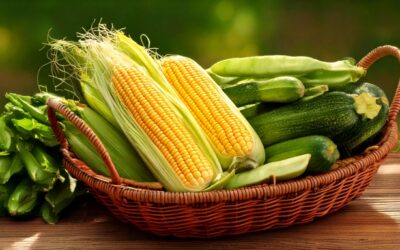
From a Native American perspective, corn, squash, and pole beans are considered sacred seeds. Before the removal of southern tribes to Oklahoma, French and Spanish explorers noted the importance of the Three Sisters, long before the planting method was known as it is today. These seeds have fed tribes in the americas for thousands of years, and were hand selected by our ancestors to ensure ample future harvests.
🌾 Seeds as Ancestors
In indigenous worldviews, seeds are often regarded as living relatives. Just as we honor the wisdom of our elders, sacred seeds are respected as keepers of ancestral knowledge. They remember the soil, the climate, the community, and the ceremonies they’ve grown with. As seeds are sown, Native American traditions dictate that the spirits contained in the seeds be honored, and the seed itself be respected as it sprouts into a living being.
These seeds are planted not only to sustain the body, but to nourish culture, language, and spirit.
🌎 Sacred vs. Commercial Seeds
Today, most seeds on the market are hybrids or genetically modified, created for mass production and uniformity. These seeds often cannot be saved and replanted — they’re designed to be bought again and again.
In contrast, sacred seeds are:
-
Open-pollinated and naturally adapted to their environment
-
Hand-selected over generations for resilience and taste
-
Tied to traditional foodways, land stewardship, and ceremony
-
Shared freely in community, not for profit
Saving and planting sacred seeds is an act of resistance, resilience, and remembrance.
🌽 The Three Sisters: An Ancient Seed Story
One of the most cherished sacred planting traditions is that of the Three Sisters — corn, beans, and squash. Grown together in harmony, these three plants support one another in the soil:
-
Corn grows tall and strong, creating a natural pole for the beans to climb.
-
Beans fix nitrogen in the soil, feeding the corn and squash.
-
Squash spreads wide leaves across the ground, shading out weeds and locking in moisture.
More than a method, this planting is a story of interdependence — one that teaches us how to live in balance with the Earth and each other.
✨ Reclaiming Sacred Seeds
Several Native seed keepers today are working to revitalize ancestral seeds, protect seed sovereignty, and reconnect people to these sacred stories. Whether you are Native or non-Native, learning to save, share, and honor seeds is a step toward healing our relationship with land and food.
The Cultural Conservancy is a prominent native foodways non-profit organization, and they are working to create a seed library to ensure sacred seeds are not only stored, but kept sacred as well by saving the stories and histories surrounding them.
The White Earth Land Recovery Project is another non-profit that focuses on retaining heirloom seeds and their stories.
Many other organizations around the United States and Canada have the same goals. Check them out, and see if there are any that would need your own heirloom seeds!
In summary, planting sacred seeds is not just an act of gardening.
It is ceremony.
It is remembrance.
It is a promise to the future.
📥 Start Your Journey with the Three Sisters
Ready to plant with purpose?
🌽 Download our free Three Sisters Planting Guide — a step-by-step introduction to growing corn, beans, and squash the traditional way. It includes a planting diagram and cultural context to help you honor this ancient method with care.
👉 Click here to download your free guide!
0 Comments